

About Field Notes
You’ve perhaps noticed the way our culture has sent our priorities into a tailspin: we rush, we consume without thinking, we’re ruled by productivity and spend a heck of a lot of time inside.
And that’s where FIELD NOTES comes in. It’s a place to explore what it means to live a life off the beaten track, feel the edges of our existence, and rekindle our connection to the great outdoors.
I’ve lived just long enough to recognize the path that I’ve previously pursued — head down, work hard, prove myself — and the new possibilities I discover when I step, even so slightly, off the well-trodden trail. There, I may land amongst boulders and overgrown willows, but I find a new way of being. I see the insanity for what it is, the chase for validation, the pressure to keep up.
This is where we deviate. We question. We take a moment to pause and ask: what is all of this for?
What does it mean to live a life close(r) to nature — one where our spirit of adventure can flourish, we see creativity as a way of life, we simplify and set free our desire to get out of the race, out of the spiral, and into a life that feels truly aligned.
This is what FIELD NOTES is about, and I’m so glad you’re here for the conversation.
Don’t know where to start? Here are some of my favourite posts:


If you'd like to get to know me better, come visit me on my website, meghanjoyward.com. I also have a newsletter where I send updates about my work projects, books, and more. I’m also over on Instagram.
Thanks again for joining in!
Meghan
Why subscribe?
FIELD NOTES began during the pandemic four years ago, when life was thrown upside-down and I found social media lacking when it came to my desire to explore ideas and connect more genuinely with a community. As a writer and former blogger, I was looking for a space that would give my work some breathing room, instead of reducing it to the minimal characters allowed in a social media post. By subscribing as either a free or paid member, you get the latest content right in your inbox.
How about these paid subscriptions?
Writers do a lot of writing for free. I wouldn’t offer FIELD NOTES for free if I didn’t want to. However, especially in this digital age, we’ve become accustomed to consuming content without paying for it. This creates a tricky balance for writers. It actually costs writers to give something away for free, and that’s where paid subscriptions come in.
Essentially, each paid subscription helps me say no to gigs that pay my bills but don’t particularly inspire me, and yes to putting my creativity and energy into FIELD NOTES.
If you’re receiving emails from Substack you don’t want:
Substack is its own platform that automatically creates an account for you when you join. It also subscribes you to Substack Reads, which is a digest of posts. You may or may not want it and here’s how to fix it:
Log in to Substack. You may need to create a password.
Go to Settings (off your profile photo in the upper right).
Scroll down to Subscriptions. There, you'll see the Substack subscription (click through to it and there you can unsubscribe).
Also note that you can control all your subscriptions there, whether you want to receive emails or simply check new posts in the Substack App.
About the author
Meghan J. Ward is an outdoor, travel and adventure writer based in Banff, Canada, and a Fellow of the Royal Canadian Geographical Society. Meghan has written several books, as well as produced content for films, anthologies, blogs and some of North America’s top outdoor, fitness and adventure publications. Her travel memoir, Lights to Guide Me Home, was published in Sept 2022 by Rocky Mountain Books.
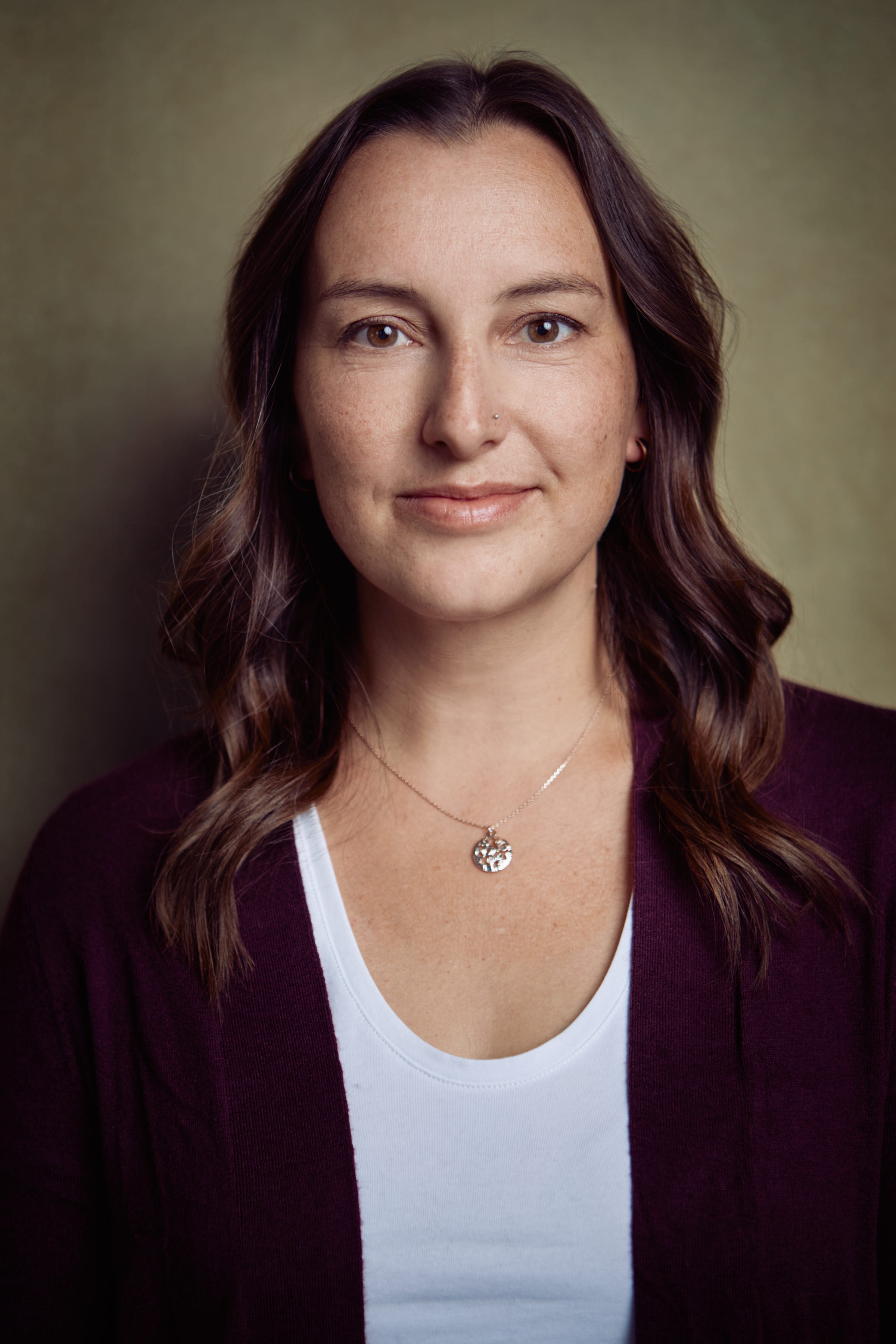
Meghan is also wife and partner in business and creativity with Paul Zizka, a mountain landscape and adventure photographer. They love to explore the wild and the world together and take their two young daughters along for the ride.
To find out more about the company that provides the tech for this newsletter, visit Substack.com.
Land Acknowledgment
I am an eight-generation Canadian and a descendent of British, Scottish and German settlers living, working, and recreating outdoors in Treaty 7 Territory — the homelands and gathering place for the Niitsitapi from the Blackfoot Confederacy, including the Siksika, Kainai, and Piikani First Nations; the Îyârhe Nakoda of the Chiniki, Bearspaw, and Goodstoney First Nations; the Tsuut’ina First Nation; the homeland of the Métis and Otipemisiwak Métis Government of the Métis Nation of Alberta, and many others. I am doing my utmost, both personally and professionally, to deepen my understanding of the history of Indigenous peoples and the impacts of colonialism — past and present.
